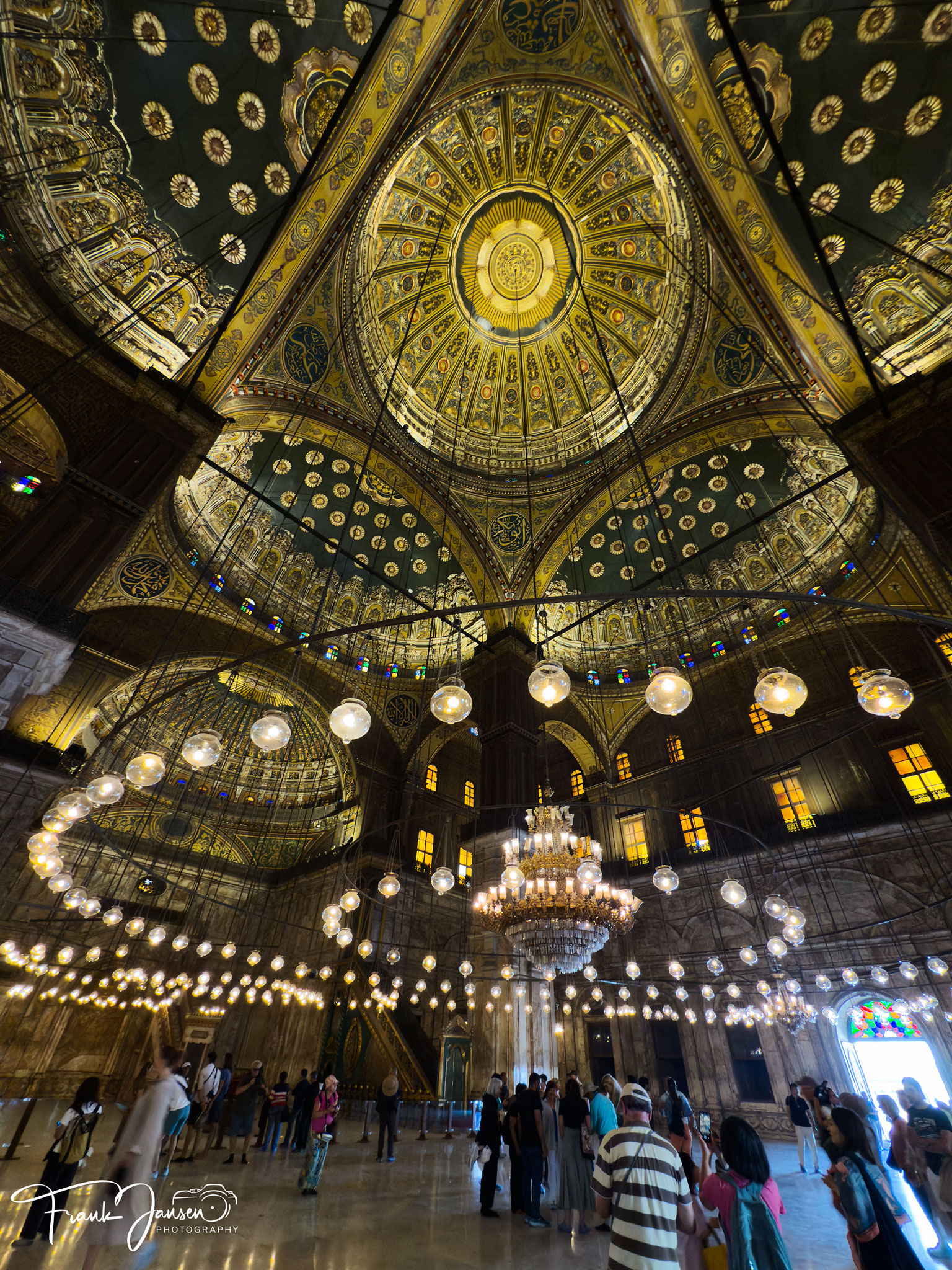
After last week’s magnificence of the Muhammad Ali Mosque, I’m staying in the historic and culturally rich country of Egypt, traveling south to the picturesque Aswan area. This region is renowned for being the location of the first cataract of the Nile, where dramatic rocky outcroppings and tumultuous whitewater rapids have made navigation further up the river nearly impossible for centuries. The challenges posed by these natural barriers meant that traffic in either direction required significant ingenuity and effort. Travelers and traders would have been faced with the daunting task of either hauling their wooden boats overland, navigating the rough terrain, or opting to off-load their goods onto stout donkeys to follow the winding roads that meandered alongside the river. Such logistical challenges not only shaped the trade routes of ancient Egypt but also fostered a vibrant local culture deeply intertwined with the majestic landscape that surrounds the Nile.
Nowadays, the Nile has been dammed by first the Aswan Low dam that was completed in 1902, and, more recently, by the Aswan High dam, which was completed in 1971. The latter created the expansive reservoir, Lake Nasser, which not only caused many treasures of ancient Egypt to be submerged but also transformed the surrounding landscape into a significant ecological and cultural hub. This massive body of water has since become a vital resource for irrigation and fishing, supporting the livelihoods of many people in the region. Despite the loss of some archaeological sites, many treasures were relocated to safe heights; the most well-known among these being Abu Simbel, a monumental temple complex that has attracted tourists from around the world, showcasing the incredible artistry and architectural ingenuity of ancient Egyptians. These efforts to preserve history amid modern advancements reflect the enduring significance of the Nile and its civilizations through the ages.
One part that is often omitted from the Aswan High Dam narrative is the displacement of about 100,000 Nubian people, a significant social upheaval that resonates deeply within the history of Egypt. Communities were moved to many new locations, having to abandon well-known fertile grounds, which had been cultivated for generations and formed the backbone of their livelihoods. Among these, about 50,000 Egyptian Nubians were relocated downstream to the area of Kom Ombo, where they faced the daunting task of rebuilding their lives in unfamiliar surroundings. Some also settled around Aswan, mostly on the west bank of the Nile, where there are villages that one can visit today, offering a glimpse into the rich cultural heritage of the Nubian people. These villages stand as a testament to the resilience of a community that has faced displacement yet continues to celebrate its traditions and maintain its identity amidst the significant changes brought on by modernization and development projects like the dam.
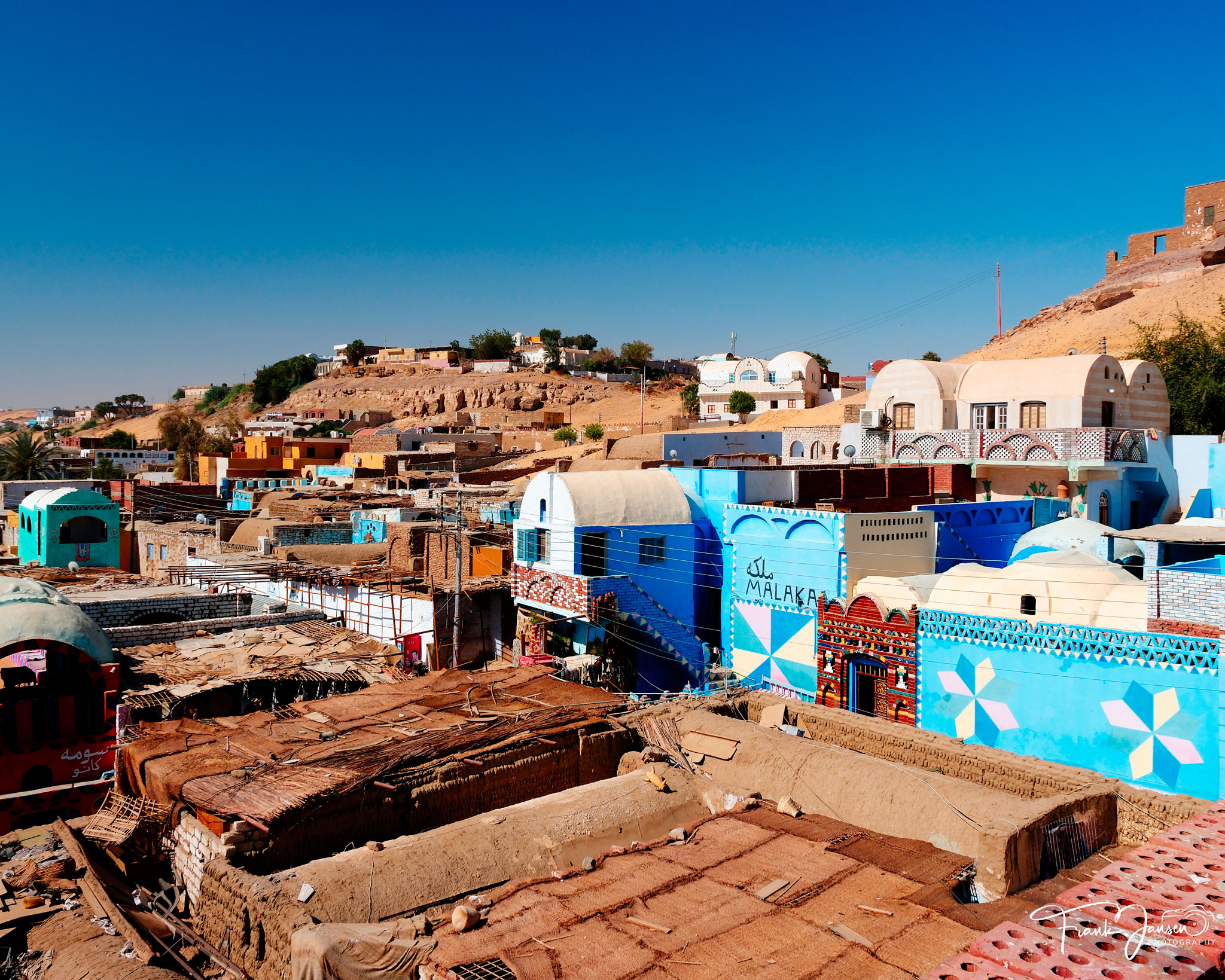
Today’s image looks toward one of these villages…

We’re looking here over a colorful Nubian village in West Al Khazan, which is located across from Aswan on the western bank of the Nile. The village boasts numerous locations that are open to tourists with the intent of giving a sense of traditional Nubian culture. Visitors can explore vibrant markets filled with handcrafted goods, experience the warm hospitality of local families, and enjoy traditional Nubian music and dance performances that showcase the rich heritage of the region. Additionally, the stunning architecture—characterized by domed roofs and brightly painted houses—provides a picturesque backdrop, enhancing the overall atmosphere and inviting guests to immerse themselves in the unique customs and traditions of the Nubian people. This village is well-worth the 15-20 minute boat ride from Aswan or Elephantine island.
This is my mid-week contribution to the Monday Window thread, a creation of Ludwig Keck. To read more about Ludwig, check this page.